Menu
Hospital Helpline +917709862164
For Homeopathy +917709862164
WhatsApp Us +917709862164
Hospital Helpline
+917709862164
For Homeopathy
+917709862164
WhatsApp Us
917709862164

Your health. Our legacy. A new era of care - RyseWell

Trusted Care for Diabetes, Heart Health & More in Pune

At RyseWell Multispeciality Hospital, Pune, your health is our unwavering priority. Led by Dr. Amit Palve, one of Pune’s most trusted physicians and diabetologists, we bring together the science of precision medicine and the art of compassionate healing to help you live a healthier, fuller life. As one of the leading multispeciality hospitals in Pune, our approach goes beyond treatment, it’s about building lifelong wellness through personalized, technology-enabled care that prevents, manages, and heals a wide range of health concerns. Whether you’re seeking expert diabetes treatment in Pune, advanced heart care, or holistic support for overall well-being, RyseWell Multispeciality Hospital stands beside you every step of the way, combining clinical expertise, modern diagnostics, and human-centered care for lasting health.

Pune’s Most Trusted Diagnostic Labs

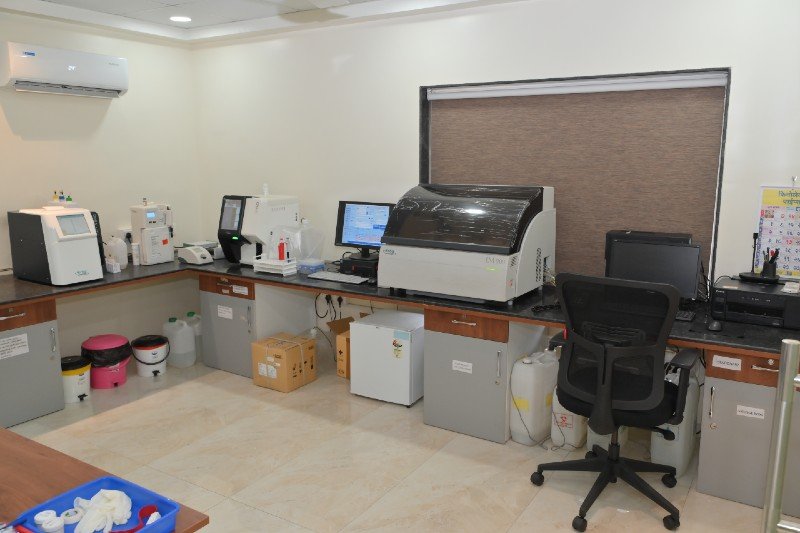
At Dr. Palve Labs, we believe good health starts with accurate diagnostics. With world-class technology, expert pathologists, and a patient-first approach, we provide reliable test results you can trust. From routine blood tests to advanced health packages, and from diabetes and heart health checkups to cancer screenings, our lab ensures every report is accurate, timely, and accessible. With home sample collection, same-day reports, and transparent pricing, we make healthcare simple and stress-free for every family in Pune. Your health. Our responsibility.
Visit to Dr. Palve Labs

Comprehensive Treatment Expertise

At RyseWell Multispeciality Hospital, Pune, we provide specialized and holistic healthcare tailored to each individual’s unique wellness journey. Our strength lies in combining cardio-diabetic excellence with a complete range of multispeciality medical services, ensuring seamless and coordinated care, all under one trusted roof.

1/

Diabetology

The Diabetology Department at RyseWell Multispeciality Hospital, Pune, offers comprehensive and personalized care for effective diabetes management. From continuous glucose monitoring and advanced insulin therapy to medication optimization and lifestyle guidance, our experts ensure your sugar levels stay in balance while improving your overall wellbeing.

Cardiology

The Cardiology Department at RyseWell Multispeciality Hospital, Pune, provides comprehensive heart care, from preventive check-ups and non-invasive diagnostics to advanced cardiac interventions. Every service is designed to detect, treat, and prevent heart conditions with precision and compassion.

Homoeopathy

The Homeopathy Department at RyseWell Multispeciality Hospital, Pune, led by Dr. Vidya Palve, specializes in treating chronic and lifestyle-related conditions using safe, natural remedies. Patients seeking holistic, side-effect-free care for diabetes, hormonal imbalance, allergies, or skin conditions will find personalized homeopathic solutions that restore balance and promote lasting wellness.

Endocrinology

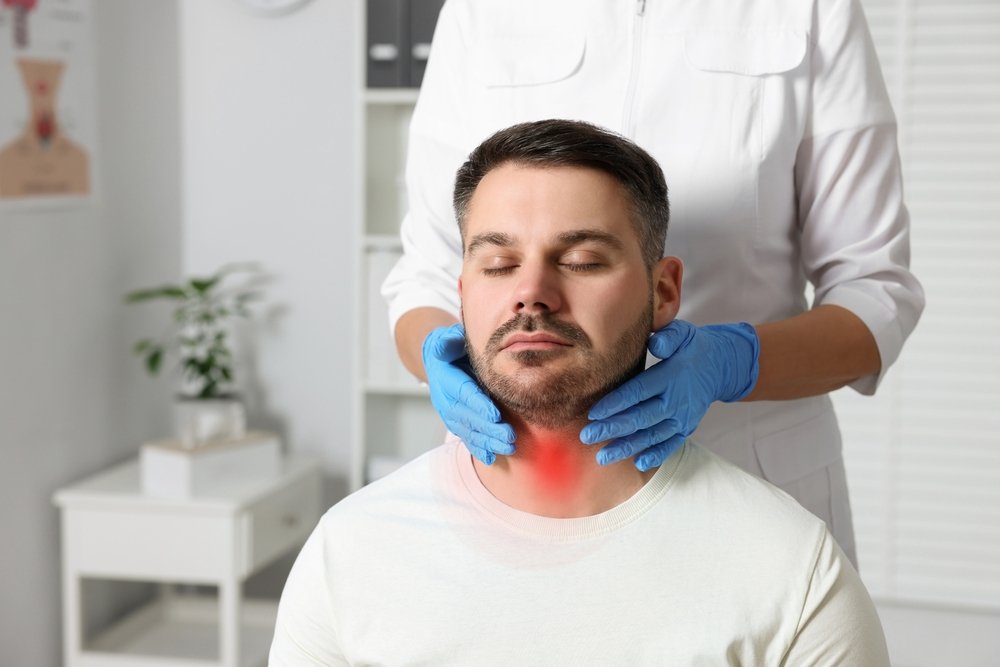
The Endocrinology Department at RyseWell Multispeciality Hospital, Pune, provides expert care for hormonal and metabolic disorders that impact daily health, energy, and overall vitality.Patients seeking personalized treatment for thyroid imbalance, diabetes, osteoporosis, adrenal, or pituitary disorders will find advanced, compassionate, and technology-driven care designed to restore balance and long-term wellness.

Your Health. Our Personalized Approach.

With a strong multidisciplinary approach, RyseWell Multispeciality Hospital, Pune, offers a one-stop solution for patients seeking personalized, technology-driven healthcare.From diabetes and heart care to comprehensive multispeciality treatments, the expert team at RyseWell Multispeciality Hospital combines medical precision with genuine human understanding, because your health deserves both expertise and empathy.

Our Diagnostic Specialties

Our advanced diagnostic centre in Pune provides accurate, timely diagnoses to ensure the best treatment outcomes. We take pride in being a trusted name when searching for the best diagnostic centre near you.

1/

Pathology (In-House Lab Tests)

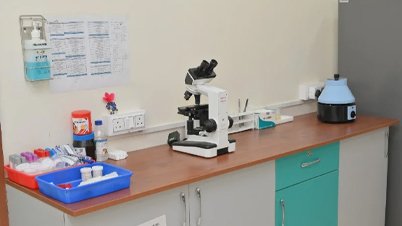
Our state-of-the-art pathology lab offers a wide range of blood tests, including specialized diabetes panels. If you’re looking for the best blood test lab near you, our facility guarantees reliable results and precise diagnosis.

Cardiology Tests (TMT, ECG, ABPM)

We provide advanced diagnostics for heart health, including ECG, echocardiograms, and stress tests. Patients seeking a trusted cardiologist in Pune can rely on us for comprehensive cardiac evaluations.

Respiratory Care (PFT)

Our respiratory diagnostics help detect and treat pulmonary issues, ensuring overall wellness. Our diagnostic centre in Pune provides complete lung function tests with accurate, timely results.

Continuous Glucose Monitoring

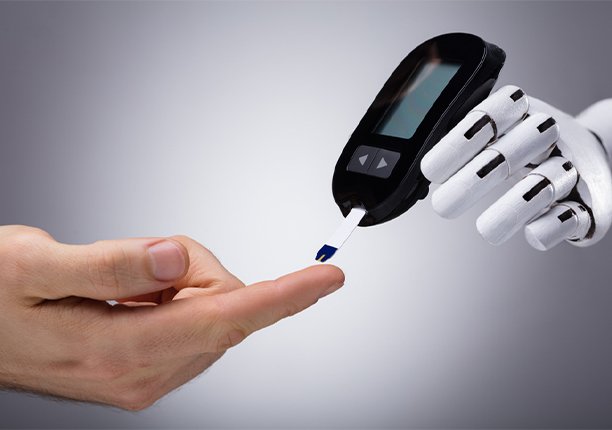
Our Continuous Glucose Monitoring System provides real-time insights into your blood glucose levels. This advanced technology helps manage diabetes more effectively, allowing for timely adjustments to your treatment plan and improved health outcomes.

Comprehensive Multispeciality Care, Tailored to You

At RyseWell Multispeciality Hospital, Pune, we bring together leading specialists, advanced diagnostics, and compassionate care under one trusted roof. From preventive health and diabetes management to heart, bone, digestive, and respiratory care, every department at RyseWell works in seamless synergy to support complete wellness for you and your family. Guided by the legacy of Dr. Amit Palve, we continue to redefine patient care in Pune through a rare blend of medical excellence, modern technology, and genuine human connection,because your health deserves expertise that truly cares

Our HealthCare Package

Our HealthCare Package description
1/

Cutting-Edge Medical Technology

At Dr. Palve Hospitals, we are committed to providing the highest quality care through the use of advanced medical technology. Our state-of-the-art facilities are equipped with the latest diagnostic and treatment technologies, ensuring accurate diagnoses and effective treatments. From our sophisticated imaging systems to our minimally invasive surgical techniques, we leverage technology to enhance patient outcomes and improve overall healthcare experiences.

We walk an extra mile for our patients

1/

All-in-One Multispeciality Excellence

Why juggle multiple appointments when you can get complete care under one roof? At RyseWell Multispeciality Hospital, we bring together top-tier specialists, diagnostics and treatment facilities, ensuring a seamless, coordinated experience that always puts your health first. No more running around, just exceptional, personalized, and technology-enabled care for every stage of life.

Smart Tech, Smarter Health

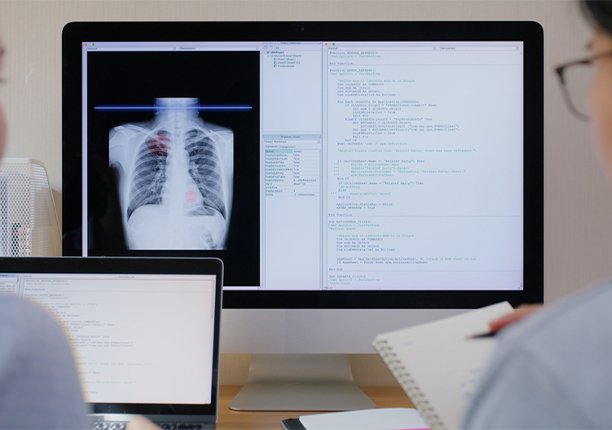
Stay in control of your health with RyseWell’s advanced medical technology. From AI-powered health monitoring to Continuous Glucose Monitoring Systems (CGMS), we use intelligent tools that track, analyze, and adapt to your unique needs in real time

Care as Unique as You Are

At RyseWell Multispeciality Hospital (formerly Dr. Palve Hospital), we believe healthcare should never be one-size-fits-all. Every patient receives a personalized care plan designed around their lifestyle, goals, and needs.

More Than Medicine—Holistic Healing

At RyseWell Multispeciality Hospital, we look beyond symptoms to understand the whole you.Our holistic approach focuses on finding and treating the root cause of health concerns, helping prevent complications before they arise. With us, care isn’t just about managing a condition; it’s about empowering you to live healthier, happier, and more balanced every day.

Empowering Health Beyond Our Walls

At RyseWell Multispeciality Hospital, we believe healthcare doesn’t end at the hospital door, it begins in the community.Through regular health camps, wellness workshops, and awareness programs, we reach thousands across Pune, guiding them toward preventive care and better health management. From educating students on lifestyle diseases to empowering families with practical wellness insights, we’re building a culture of health, one informed, confident individual at a time.

Pioneering Tomorrow’s Diabetes Care

The future of diabetes care is happening here. With plans to expand our facilities and integrate the latest innovations, Dr. Palve Cardio Diabetic Center is at the forefront of redefining how we manage and treat diabetes. Get ready for the next level of care.

Schedule a Consultation Today

We offer same-day and 24/7 appointments to address all your healthcare needs. From expert consultations to full health check-ups, we’re here to care, guide, and support you. Book a consultation and take the first step toward better health with RyseWell Multispeciality Hospital.
Personalized Care You Can Trust

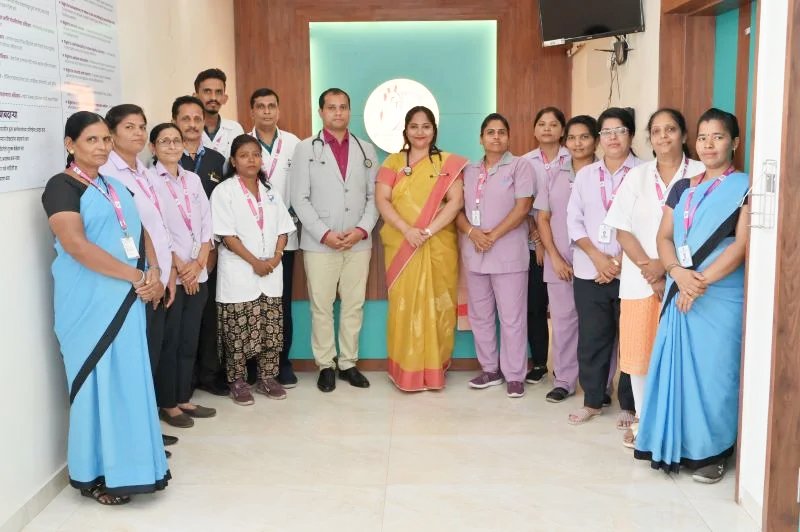
At RyseWell Multispeciality Hospital, we believe in delivering truly personalized care centered around your health and well-being.Our mission is to combine medical expertise, compassionate service, and modern technology to ensure every patient feels seen, supported, and cared for.

Blogs
1/

Exam Anxiety in Teenagers: Can Homeopathy Support Emotional Balance Naturally?

Exams are an important milestone in every teenager’s academic journey. In cities like Pune, where academic competition is high and expectations are often intense, exam season can bring more than just late-night study sessions. Many teenagers experience emotional stress, sleep disturbances, digestive discomfort, and mood swings during this time. A certain amount of nervousness before exams is normal. It can even help improve focus. However, when anxiety begins to interfere with sleep, appetite, concentration, or overall wellbeing, it deserves attention. At RyseWell Homeopathy, we understand that teenage stress is not simply “overthinking.” It is a mind–body response that needs calm, personalized, and supportive care. This blog explores how exam anxiety affects teenagers and whether homeopathy can offer natural support for emotional balance. Understanding Exam Anxiety in Teenagers Exam anxiety is more than just worry about performance. It can involve a combination of emotional, physical, and behavioral symptoms. Teenagers today face: Academic pressure Social comparison Parental expectations Competitive entrance exams Screen overload Irregular sleep patterns When stress levels rise, the body releases stress hormones such as cortisol and adrenaline. In short bursts, these hormones enhance alertness. But when stress becomes continuous, it may disrupt sleep, digestion, mood, and immunity. Exam anxiety often shows up differently in each teenager. Common Signs of Exam Anxiety Parents and teachers may notice subtle changes during exam season. Some common signs include: Difficulty falling or staying asleep Racing thoughts at night Irritability or mood swings Fear of failure Stomach aches before exams Headaches Loss of appetite or overeating Excessive sweating or trembling Crying spells Lack of confidence despite preparation These symptoms are not signs of weakness. They reflect an overwhelmed nervous system. When anxiety begins to affect daily functioning, gentle intervention may help restore balance. How Stress Impacts the Teenage Mind and Body Teenage years are a period of hormonal and emotional development. The brain, especially areas responsible for decision-making and emotional regulation, is still maturing. Chronic stress during this stage can: Disrupt sleep cycles Affect concentration and memory Trigger digestive disturbances Lower immunity Increase irritability or withdrawal Sometimes, anxiety presents physically. A teenager may complain of stomach pain or nausea before an exam. These symptoms are real, not imagined. The mind and body are deeply connected. Can Homeopathy Support Emotional Balance Naturally? Homeopathy approaches exam anxiety from an individualized perspective. Instead of treating anxiety as a single condition, it looks at how the teenager uniquely experiences stress. At RyseWell Homeopathy, consultations focus on: Emotional triggers Fear patterns Sleep habits Physical symptoms Behavioral changes Response to pressure Family and environmental factors Homeopathic remedies are selected based on the total symptom picture, not just the diagnosis. The aim is not sedation or suppression. The aim is gentle regulation of the nervous system. How Homeopathy Works in Emotional Stress Homeopathy is based on stimulating the body’s self-regulatory mechanisms using highly diluted remedies prepared through a specific process. In cases of exam anxiety, homeopathic support may aim to: Reduce emotional hypersensitivity Improve stress resilience Support better sleep Ease digestive symptoms linked to anxiety Promote calm focus Each remedy is chosen individually. Two teenagers with exam anxiety may receive completely different remedies depending on their emotional and physical patterns. This individualized approach is central to effective homeopathic care. Emotional Patterns Seen During Exams Different teenagers express anxiety in different ways. Some common emotional patterns include: Fear of forgetting everything during the exam Perfectionism and self-criticism Overthinking small mistakes Crying before exams Avoidance behavior Physical trembling due to nervous anticipation Homeopathy considers these unique emotional expressions while selecting remedies. The Importance of Sleep During Exams Sleep disturbance is one of the most common complaints during exam season. Late-night studying combined with anxiety can lead to: Difficulty falling asleep Repeated waking Vivid dreams about exams Early morning anxiety Poor sleep affects memory retention and concentration. Supporting sleep naturally can improve both emotional balance and academic performance. Homeopathic care, when guided properly, may support improved sleep regulation without dependency. Supporting Teenagers Beyond Medication While homeopathy may provide gentle support, emotional care also requires lifestyle balance. Parents can help by: Avoiding constant comparison with peers Encouraging structured study breaks Supporting regular meal times Promoting digital detox before bedtime Encouraging light physical activity Practicing calm communication Teenagers perform better when they feel emotionally safe. Academic success should not come at the cost of mental wellbeing. When Should Professional Help Be Sought? Mild anxiety is common during exams. However, professional consultation may be necessary if: Panic attacks occur Anxiety interferes with daily functioning Sleep loss becomes severe The teenager withdraws socially Appetite changes significantly There are signs of depression Homeopathy can be supportive, but severe mental health concerns require integrated medical or psychological care. Responsible healthcare always prioritizes safety and collaboration. At RyseWell Homeopathy, we work ethically and refer when necessary. Why Parents in Pune Are Exploring Natural Support Options In academically competitive cities, parents increasingly seek gentle approaches that: Avoid heavy sedation Support emotional resilience Encourage long-term balance Address both mind and body Homeopathy is often chosen as a complementary system because of its individualized and non-suppressive philosophy. The goal is not to remove all stress. The goal is to help teenagers respond to stress more calmly and confidently. Frequently Asked Questions Can homeopathy help with exam anxiety? Homeopathy may support emotional balance and stress resilience when prescribed individually by a qualified practitioner. Is homeopathy safe for teenagers? Under professional guidance, homeopathic remedies are generally considered gentle and suitable for adolescents. How long does it take to see improvement? Response time varies depending on the individual and severity of symptoms. Some teenagers may notice changes within weeks, while others require longer follow-up. Can homeopathy be combined with counseling? Yes. Homeopathy can complement psychological support. Integrated care often provides better outcomes. Should mild exam stress be treated? Not always. Normal nervousness can improve performance. Treatment is considered when anxiety begins to interfere with sleep, appetite, or daily life. Creating a Balanced Exam Season Exams are temporary. Emotional health is long-term. Supporting teenagers through exam anxiety … Continue reading “Exam Anxiety in Teenagers: Can Homeopathy Support Emotional Balance Naturally?”

Heat Is Rising in Pune: Early Signs of Dehydration, Low BP, and Electrolyte Imbalance You Shouldn’t Ignore

As February draws to a close, Pune slowly begins to feel the shift. Afternoons grow warmer, humidity starts rising, and the familiar pre-summer heat sets in. For many working professionals, students, and elderly individuals, this seasonal transition can quietly affect the body long before peak summer arrives. While most people associate dehydration and heat-related health issues with May or June, the early weeks of rising temperatures can already begin to strain the body. Fatigue, dizziness, headaches, and sudden weakness are often brushed aside as “just heat.” But in reality, these can be early signs of dehydration, low blood pressure, or electrolyte imbalance. At RyseWell Hospital, we frequently see an increase in such complaints during this time of year. Understanding the warning signs early can help prevent more serious complications. Why Seasonal Heat Affects the Body More Than You Realize As temperatures rise, your body works harder to maintain a stable internal temperature. Sweating increases, heart rate may rise slightly, and fluid loss becomes more significant. When fluid loss is not adequately replaced: Blood volume can decrease Blood pressure may drop Electrolyte levels can shift Organs may receive less oxygen temporarily This is particularly important in Pune’s urban setting, where long commutes, traffic exposure, outdoor travel, and air-conditioned indoor environments create frequent temperature shifts throughout the day. Early Signs of Dehydration You Should Not Ignore Dehydration does not always begin with extreme thirst. In fact, by the time you feel very thirsty, your body may already be moderately dehydrated. Watch for these early signs: Persistent fatigue despite rest Dry mouth or dry skin Headache or heaviness in the head Reduced urine output or darker urine Muscle cramps Sudden weakness Irritability or poor concentration Working professionals often mistake these symptoms for stress or lack of sleep. However, dehydration is one of the most common and overlooked causes during seasonal transitions. How Rising Heat Can Trigger Low Blood Pressure Low blood pressure, also known as hypotension, becomes more common during warmer months. When the body loses fluids through sweating: Blood volume decreases Blood vessels may dilate Blood pressure may drop Common symptoms of low BP include: Dizziness, especially while standing Lightheadedness Blurred vision Fainting spells Nausea Cold, clammy skin People who already have borderline low blood pressure, are on BP medication, or are elderly are at higher risk. If you feel dizzy when getting up from a chair or bed, it may not just be tiredness. It could be early hypotension. Understanding Electrolyte Imbalance Electrolytes such as sodium, potassium, calcium, and magnesium play a crucial role in: Muscle function Nerve signaling Heart rhythm Fluid balance Blood pressure regulation When you sweat excessively without replenishing electrolytes, imbalances can occur. Early symptoms may include: Muscle cramps Heart palpitations Fatigue Confusion Headache Weakness In more severe cases, electrolyte imbalance can affect heart rhythm and neurological function. This is why simple water intake is sometimes not enough. Balanced hydration is essential. Who Is More at Risk in Pune? Certain groups are more vulnerable during rising temperatures: IT professionals working long hours in air-conditioned offices Delivery personnel and outdoor workers Elderly individuals People with diabetes or heart conditions Individuals on diuretics or BP medications Students during exam season under stress Air-conditioned environments can also contribute indirectly to dehydration because you may not feel sweaty, but fluid loss still occurs. When Should You See a Doctor? You should consult a physician if: Dizziness persists You experience repeated fainting There is chest discomfort Severe fatigue does not improve with rest Urine output drops significantly Heart palpitations occur Blood pressure readings fluctuate abnormally Ignoring these symptoms can lead to complications such as kidney stress, severe hypotension, or cardiac strain. At RyseWell Hospital, early evaluation helps identify whether symptoms are due to dehydration, blood pressure issues, electrolyte imbalance, or an underlying medical condition. Preventive Steps to Protect Yourself as Temperatures Rise Simple daily habits can significantly reduce risk. Stay Hydrated Intentionally Do not wait for thirst. Drink water at regular intervals throughout the day. Add Electrolyte Support When Needed If you sweat heavily or feel weak, oral rehydration solutions or natural electrolyte sources may help. Avoid Excess Caffeine Excess tea and coffee can contribute to fluid loss. Monitor Blood Pressure If you have a history of BP issues, monitor readings regularly. Eat Balanced Meals Include fruits, vegetables, and foods rich in potassium and magnesium. Avoid Sudden Postural Changes Stand up slowly to prevent dizziness. Limit Direct Heat Exposure Avoid peak afternoon sun when possible. The Importance of Early Screening Sometimes symptoms may appear mild but can signal an underlying condition such as: Undiagnosed diabetes Thyroid imbalance Chronic low blood pressure Early kidney stress Cardiac rhythm disturbances Basic investigations such as: Blood pressure monitoring Electrolyte testing Kidney function tests Blood sugar evaluation can help detect problems early. Preventive screening during seasonal transition is a smart healthcare decision, especially for working professionals and senior citizens in Pune. How RyseWell Hospital Supports Seasonal Health in Pune At RyseWell Hospital, our focus is on preventive and timely care. We provide: Comprehensive health checkups Blood pressure and cardiac evaluation Electrolyte and metabolic testing Physician consultations Personalized medical advice Monitoring for high-risk individuals Our approach is practical, patient-centered, and preventive rather than reactive. Seasonal health issues are manageable when addressed early. Frequently Asked Questions Can dehydration cause low blood pressure? Yes. Fluid loss reduces blood volume, which can lower blood pressure and cause dizziness. How much water should I drink in rising heat? Fluid needs vary by individual, but consistent intake throughout the day is important, especially if sweating increases. Are electrolyte drinks necessary for everyone? Not always. However, individuals who sweat excessively or feel weak may benefit from electrolyte replenishment under medical advice. When should dizziness be taken seriously? If dizziness is frequent, severe, associated with fainting, chest pain, or persistent weakness, consult a doctor immediately. Can early heat exposure affect heart health? Yes. Heat stress can strain the cardiovascular system, particularly in elderly individuals or those with pre-existing conditions. Take Heat Signals Seriously Before Summer … Continue reading “Heat Is Rising in Pune: Early Signs of Dehydration, Low BP, and Electrolyte Imbalance You Shouldn’t Ignore”

The 5 Blood Tests Every Pune Professional Over 30 Needs Every Year

If you are over 30 and working in Pune’s fast-paced corporate or IT environment, chances are your schedule is packed, your screen time is high, and your sleep is irregular. Many professionals say, “I feel fine, so I don’t need tests.” The truth is that several lifestyle diseases develop silently for years before showing symptoms. At Dr Palve Labs, we see a growing number of young professionals with early diabetes, high cholesterol, thyroid imbalance, and vitamin deficiencies that were discovered only through routine blood tests. Annual screening is not about fear. It is about early detection, better decisions, and long-term health. Here are the five essential blood tests every Pune professional over 30 should consider each year. Why Health Risks Increase After 30 Your 30s are a turning point for metabolism and stress tolerance. Several changes begin to happen: Slower metabolism Increased stress exposure Sedentary work habits Weight gain around the abdomen Poor sleep patterns Combined with Pune’s urban lifestyle, long commutes, office food culture, and high work pressure, these factors increase the risk of diabetes, high blood pressure, heart disease, and hormonal imbalance. Routine preventive blood tests help detect problems before complications begin. 1. Fasting Blood Sugar and HbA1c Why diabetes screening is essential after 30 Diabetes is one of the most common silent conditions among working professionals in India. Many individuals live with prediabetes for years without knowing it. What this test checks Fasting blood glucose level HbA1c, which shows average blood sugar over the last 2 to 3 months Why it matters High blood sugar does not always cause symptoms early. You may not feel any difference until complications begin. Early detection helps: Prevent nerve damage Protect kidney function Reduce heart risk Improve energy levels For Pune professionals with family history, weight gain, or irregular meals, annual screening is strongly recommended. 2. Lipid Profile Detecting high cholesterol before heart problems begin A lipid profile measures: Total cholesterol LDL cholesterol HDL cholesterol Triglycerides High cholesterol often has no symptoms. It quietly increases the risk of heart disease and stroke. Urban professionals who: Eat out frequently Sit for long hours Have high stress levels are at greater risk of abnormal lipid levels. Annual lipid screening allows you to make dietary and lifestyle changes early, reducing long-term cardiac risk. 3. Thyroid Function Test Why thyroid imbalance is common in professionals Thyroid disorders are increasingly common in both men and women over 30. This test includes: TSH T3 T4 Why it matters Thyroid imbalance can cause: Fatigue Weight gain or loss Hair thinning Mood changes Poor concentration Because symptoms overlap with stress and burnout, thyroid problems are often overlooked. A simple blood test can detect early imbalance and prevent long-term complications. 4. Complete Blood Count (CBC) The foundation test for overall health A Complete Blood Count is one of the most informative routine blood tests. It evaluates: Hemoglobin levels Red blood cells White blood cells Platelets Why professionals need it Low hemoglobin can cause: Fatigue Poor focus Reduced productivity Abnormal white cell counts may indicate infection or immune imbalance. A CBC gives a broad snapshot of your overall health and should be part of every annual preventive health screening. 5. Liver and Kidney Function Tests Protecting vital organs before damage occurs Your liver and kidneys work continuously to detoxify your body and maintain balance. Urban lifestyle factors that affect these organs include: Frequent medication use Alcohol consumption Processed food Dehydration High-protein diets Liver and kidney function tests help detect: Early fatty liver changes Enzyme elevation Kidney filtration issues Early detection allows lifestyle correction before serious disease develops. How Often Should Pune Professionals Get These Tests? For healthy adults over 30: Once a year is generally recommended Every 6 months if you have risk factors such as obesity, family history, or high stress Consistency is more important than waiting for symptoms. What Happens If You Skip Preventive Testing? Without regular screening: Prediabetes may progress to diabetes High cholesterol may lead to heart disease Thyroid imbalance may worsen Fatigue may be misattributed to work stress Organ damage may develop silently Preventive blood tests are cost-effective compared to treating advanced disease. Why Choose Dr Palve Labs for Preventive Blood Tests in Pune At Dr Palve Labs, preventive healthcare is built on accuracy and reliability. We focus on: Advanced diagnostic technology Strict quality control standards Timely and accurate reporting Clear interpretation guidance Home sample collection for busy professionals Our goal is to make preventive blood testing simple, accessible, and stress-free for Pune’s working population. When it comes to early disease detection, accuracy matters. Frequently Asked Questions Do I need blood tests if I feel healthy? Yes. Many conditions like diabetes, thyroid disorders, and high cholesterol develop without early symptoms. At what age should professionals start annual screening? Preventive screening is advisable from age 30, especially in urban settings like Pune. How long does it take to get results? Most routine blood tests are reported within the same day or 24 hours, depending on the panel. Are these tests painful or complicated? No. They require a simple blood sample and are safe and quick. Can early detection really prevent serious disease? Yes. Early detection allows lifestyle changes and medical guidance before complications develop. Conclusion Turning 30 is not just a career milestone. It is a health milestone. Strong performance at work depends on strong health. Annual preventive blood tests help detect silent conditions early and give you control over your long-term wellbeing. If you are a working professional in Pune, make preventive health screening part of your yearly routine. Dr Palve Labs is here to support you with accurate diagnostics, convenient testing options, and reliable reporting so you can stay proactive about your health. Book your preventive blood test today and invest in your future health with confidence.

The Science of Micro-Dosing: How Homeopathy Works at a Cellular Level

Introduction In recent years, the idea of “micro-dosing” has gained attention in many health conversations. In homeopathy, however, micro-dosing is not a trend, it has been a foundational principle for over two centuries. The concept is simple yet profound: using highly diluted substances to gently stimulate the body’s own healing response. Many patients often ask, “How can something so diluted actually work?” At RyseWell Homeopathy, we believe that understanding the science behind homeopathy builds confidence and clarity. In this blog, we explore how homeopathy works at a cellular level, what modern research suggests about micro-dosing, and why individualized treatment remains central to effective healing. What Does Micro-Dosing Mean in Homeopathy? In homeopathy, micro-dosing refers to the use of highly diluted natural substances prepared through a specific process called potentization. This process involves serial dilution combined with vigorous shaking, known as succussion. Unlike conventional medicine, which often uses measurable chemical quantities to suppress symptoms, homeopathy works on the principle of stimulating the body’s regulatory systems through energetic signaling rather than pharmacological force. In simple terms: The dose is small. The aim is stimulation, not suppression. The goal is restoring balance. How Can Ultra-Diluted Substances Influence the Body? This is one of the most common and important questions. Homeopathy does not work in the same way as conventional pharmaceuticals. Instead of acting through chemical concentration, it is believed to influence biological regulation mechanisms. Modern hypotheses suggest several possible explanations: 1. Cellular Signaling and Regulation Cells communicate constantly using biochemical signals. Some researchers propose that homeopathic preparations may interact with cellular receptors or influence signaling pathways that regulate inflammation, immunity, and stress responses. Rather than overpowering the body, micro-doses may act as gentle triggers, prompting the body to correct imbalances itself. 2. Hormesis Principle Hormesis is a scientifically recognized biological phenomenon where small amounts of a stressor can stimulate a positive adaptive response. For example: Exercise causes micro-stress to muscles, leading to strength. Vaccines stimulate immunity using minimal exposure. Similarly, homeopathy operates on the idea that a minimal stimulus can activate self-healing mechanisms. 3. Nano-Particle Hypothesis Some emerging research suggests that even highly diluted solutions may retain nano-structures or nano-particles of the original substance. While this area requires more large-scale research, it has opened scientific dialogue around how ultra-low doses may still carry biological information. It is important to note that while research is evolving, homeopathy has long relied on clinical observation, case documentation, and individualized results. How Homeopathy Works at a Cellular Level To understand this better, we must first understand how the body maintains balance. The human body constantly regulates: Immune responses Hormonal balance Inflammatory pathways Nervous system activity Sleep-wake cycles When these regulatory systems are disturbed, symptoms appear. Homeopathy aims to: Support immune modulation Reduce hypersensitive responses Improve cellular adaptation to stress Encourage restoration of equilibrium Instead of directly targeting a disease, homeopathy targets the individual’s response pattern. For example: Two people with allergies may have completely different emotional states, triggers, sleep patterns, and physical reactions. Homeopathy selects a remedy based on the totality of symptoms, not just the diagnosis. This individualized approach is key to how micro-dosing works effectively. Why Individualization Matters in Micro-Dosing One of the biggest misconceptions is that homeopathy offers one remedy per condition. At RyseWell Homeopathy, consultations focus on: Emotional state Physical symptoms Sleep patterns Digestive tendencies Stress responses Family history Triggers and environmental factors The remedy selected matches the person’s overall pattern. This is why two individuals with anxiety, digestive problems, or hormonal imbalance may receive entirely different remedies. Micro-dosing becomes effective when: The remedy matches the individual profile The potency is appropriately selected The follow-up is carefully monitored Conditions Where Micro-Dosing Is Commonly Used Homeopathy’s micro-dosing approach is often used in supportive care for: Allergic conditions Skin concerns Digestive imbalance Hormonal fluctuations Stress-related symptoms Sleep disturbances Recurrent infections It is important to clarify that homeopathy should not replace emergency care or necessary conventional treatment. Instead, it may serve as a complementary, supportive system focused on long-term regulation. Is There Scientific Research on Homeopathy and Micro-Dosing? Research in homeopathy continues to evolve. Some studies have explored: Immune-modulating effects Anti-inflammatory responses Symptom improvement in chronic conditions Cellular signaling pathways However, large-scale randomized controlled trials are still needed in many areas. Responsible medical communication requires acknowledging that while promising evidence exists, scientific understanding is ongoing. At RyseWell Homeopathy, we rely on: Individual case documentation Careful follow-up Ethical practice Integration when required Why Micro-Dosing Is Considered Gentle Homeopathic remedies are: Highly diluted Non-toxic Generally well tolerated Suitable for long-term guidance under professional supervision Because the approach is regulatory rather than suppressive, it is often described as gentle. That said, treatment must always be guided by a qualified practitioner. Self-prescribing without understanding potency and individualization can lead to suboptimal results. Common Questions About Micro-Dosing in Homeopathy Does homeopathy work even though it is highly diluted? Homeopathy works differently from conventional drugs. It aims to stimulate regulatory responses rather than act through chemical concentration. How long does it take to see results? The timeline depends on the condition, chronicity, and individual response. Some acute symptoms improve quickly, while chronic patterns require longer observation. Is homeopathy safe for children and elderly individuals? Under professional guidance, homeopathic remedies are generally considered gentle and suitable across age groups. Can homeopathy be combined with conventional medicine? Yes, many patients use homeopathy as complementary support alongside conventional treatment. Always inform your healthcare providers. Is micro-dosing the same as modern biohacking trends? No. Homeopathy’s micro-dosing principle is part of a long-established medical system, not a short-term trend. What to Expect at RyseWell Homeopathy At RyseWell Homeopathy, consultations are structured and personalized. You can expect: Detailed case-taking Individualized remedy selection Lifestyle guidance Regular follow-ups Ethical, non-exaggerated advice Our goal is not quick suppression but long-term balance and stability. The Bigger Picture: Gentle Stimulation, Not Suppression Modern life exposes us to: Chronic stress Environmental toxins Sleep disruption Poor digestion Emotional overload Micro-dosing in homeopathy is built on a simple philosophy: small, precise signals can guide large … Continue reading “The Science of Micro-Dosing: How Homeopathy Works at a Cellular Level”

Reversing Type 2 Diabetes: Is It a Myth or Reality in 2026?

Introduction Type 2 diabetes is no longer considered just a chronic condition of aging. In 2026, it is increasingly affecting working professionals, young adults, and even individuals in their 30s. With sedentary lifestyles, processed food consumption, stress, and irregular sleep patterns becoming common, blood sugar imbalance has turned into a widespread urban health concern. But a growing question dominates online searches and medical discussions: Can Type 2 diabetes be reversed? Or is it just a marketing myth? At RyseWell Hospitals, we frequently encounter patients who are confused between temporary sugar control and true metabolic improvement. In this blog, we break down what medical science says about reversing Type 2 diabetes, who may benefit, and what realistic expectations should look like in 2026. What Does “Reversing Type 2 Diabetes” Actually Mean? Before answering whether reversal is real, we must clarify what reversal means. In medical terms, diabetes reversal does not mean a permanent cure. Instead, it refers to: Achieving normal blood sugar levels Maintaining HbA1c below diabetic range Managing glucose without medication or with minimal support Sustaining these results through lifestyle changes This state is often called remission. Reversal is possible for some individuals, especially when diagnosed early, but it requires structured medical supervision. Why Type 2 Diabetes Develops in the First Place Type 2 diabetes primarily develops due to insulin resistance. Here is what happens: The body produces insulin. Cells become resistant to insulin’s action. Glucose accumulates in the bloodstream. Over time, the pancreas becomes overworked. Major contributing factors include: Excess abdominal fat Sedentary lifestyle High refined carbohydrate intake Chronic stress Poor sleep Genetic predisposition Understanding the root cause helps determine whether reversal is realistic. Is Reversing Type 2 Diabetes Scientifically Possible? Yes, In Certain Cases Several clinical studies have shown that early-stage Type 2 diabetes can go into remission with: Significant weight reduction Structured dietary changes Regular physical activity Medical supervision Early intervention Patients who are newly diagnosed, overweight, and not insulin-dependent have higher chances of remission. But It Is Not Universal Reversal may not be possible for: Long-standing diabetes Individuals dependent on insulin for many years Advanced pancreatic damage Severe complications In such cases, the focus shifts to optimal management rather than reversal. What Strategies Support Diabetes Remission? 1. Weight Reduction Even a 5–10 percent reduction in body weight can significantly improve insulin sensitivity. Visceral fat, especially around the abdomen, plays a major role in insulin resistance. Reducing this fat improves metabolic function. 2. Structured Nutrition Planning Key dietary principles include: Reducing refined sugars Limiting processed carbohydrates Increasing fiber intake Including healthy fats Maintaining consistent meal timing Extreme dieting is not recommended. Sustainable, medically guided nutrition works better. 3. Regular Physical Activity Exercise improves glucose uptake by muscles independent of insulin. Recommended approaches: Brisk walking Strength training Mobility exercises Post-meal light activity Consistency matters more than intensity. 4. Sleep and Stress Regulation Chronic stress increases cortisol, which directly impacts blood sugar levels. Poor sleep is linked with: Insulin resistance Increased appetite Weight gain Improving sleep hygiene is often overlooked but crucial. 5. Early Medical Monitoring Regular testing ensures safe progress: Fasting blood sugar Post-meal sugar HbA1c Lipid profile Blood pressure Diabetes remission must be supervised by a physician to prevent complications. What About “Quick Fix” Claims in 2026? In 2026, social media is full of promises about instant diabetes reversal through: Herbal mixtures Fad diets Supplements Unverified online programs It is important to distinguish between: Temporary sugar fluctuations and Sustained metabolic remission True reversal requires measurable, long-term stability. At RyseWell Hospitals, we emphasize scientific monitoring rather than trend-based solutions. Can Long-Standing Diabetes Be Reversed? For individuals with diabetes for over 8–10 years, complete remission becomes less likely. However, significant improvement is still possible: Reduced medication dependency Better glycemic control Lower complication risk Improved energy levels Even when full reversal is not realistic, optimized management dramatically improves quality of life. Early Warning Signs You Should Not Ignore Many people discover diabetes accidentally during routine checkups. Warning signs may include: Increased thirst Frequent urination Persistent fatigue Blurred vision Slow wound healing Unexplained weight changes However, Type 2 diabetes can remain silent for years. That is why preventive screening is critical. Who Has the Highest Chances of Reversal? Individuals who: Are newly diagnosed Have HbA1c below 8–9 percent Are overweight but not insulin-dependent Are willing to make structured lifestyle changes Follow consistent medical supervision The earlier the intervention, the better the outcome. Why Prevention Is More Powerful Than Reversal Rather than focusing only on reversal, preventing diabetes progression is equally important. Preventive strategies include: Annual screening after age 30 Screening earlier with family history Monitoring waist circumference Managing stress Maintaining a healthy weight Prediabetes is reversible in many cases with early lifestyle correction. How RyseWell Hospitals Supports Diabetes Care At RyseWell Hospitals, our approach to Type 2 diabetes includes: Early diagnosis and risk assessment Structured lifestyle counseling Physician-guided monitoring Nutrition and exercise planning Cardiovascular risk evaluation Preventive complication screening We focus on long-term metabolic health, not temporary sugar control. Our goal is to help patients achieve: Stable blood glucose Reduced medication burden when possible Improved energy and productivity Lower long-term health risks Frequently Asked Questions Can Type 2 diabetes really be reversed? Yes, early-stage Type 2 diabetes can go into remission in some individuals with structured lifestyle changes and medical supervision. Is reversal permanent? Reversal requires continued lifestyle discipline. If unhealthy habits return, blood sugar levels may rise again. How long does reversal take? It varies. Some patients show significant improvement within 3 to 12 months under guided care. Can diabetes be reversed without weight loss? Weight reduction plays a major role, but metabolic improvements can also occur with dietary and lifestyle optimization. Should I stop medication if my sugar improves? Never stop medication without consulting your physician. Adjustments must be supervised. Is prediabetes reversible? Yes. Prediabetes has a high potential for reversal with early lifestyle intervention. Conclusion So, is reversing Type 2 diabetes a myth or reality in 2026? The answer lies somewhere in between. Reversal is possible for … Continue reading “Reversing Type 2 Diabetes: Is It a Myth or Reality in 2026?”

Why Skin, Digestion, and Sleep Issues Often Appear Together – A Holistic View

Introduction Have you noticed how skin breakouts flare up when digestion feels off? Or how poor sleep seems to worsen acidity, bloating, or skin sensitivity? For many people, these problems don’t occur in isolation. Skin issues, digestive discomfort, and sleep disturbances often appear together, leaving individuals frustrated and searching for separate solutions for each symptom. From a holistic perspective, the body functions as one interconnected system. When internal balance is disturbed, the effects may show up in multiple ways—on the skin, in digestion, and through sleep quality. At RyseWell Homeopathy, we see this pattern frequently. Rather than treating each symptom separately, homeopathy focuses on understanding the underlying imbalance connecting them. This blog explains why these issues are linked, how they influence one another, and how a holistic, individualized approach can support long-term balance. The Body Works as One Connected System The skin, digestive system, and sleep cycle are deeply connected through metabolism, hormones, immunity, and the nervous system. The digestive system absorbs nutrients and removes waste The skin reflects internal health and elimination balance Sleep regulates repair, hormones, and emotional stability When one system is under stress, others are often affected. This is why recurring symptoms in different areas may actually have a common root cause. How Digestive Imbalance Affects Skin and Sleep Digestive Issues and Skin Problems Poor digestion can lead to incomplete breakdown of food, irritation of the gut lining, and inefficient elimination. Over time, this internal imbalance may show up as: Acne or recurrent breakouts Eczema or skin sensitivity Dull, tired-looking skin Excess oiliness or dryness When the digestive system struggles, the body may attempt to eliminate toxins through the skin, leading to visible skin concerns. Digestive Issues and Sleep Disturbances Digestive discomfort doesn’t stop at the stomach. Issues like acidity, gas, or bloating can interfere with sleep by causing: Difficulty falling asleep Frequent waking at night Restlessness or discomfort while lying down Early morning fatigue Late meals, poor digestion, or stress-related gut sensitivity often disturb the body’s natural sleep rhythm. The Role of Stress in Linking Skin, Gut, and Sleep Stress is a major connecting factor between these three systems. When stress becomes chronic: Digestion slows down or becomes irregular Skin becomes more reactive or inflamed Sleep quality reduces due to racing thoughts or restlessness Stress affects the nervous system, which controls digestion, hormone release, and sleep regulation. This is why emotional strain often worsens all three issues at once. Why Treating Symptoms Separately May Not Be Enough Many people treat skin problems with topical solutions, digestion with temporary medications, and sleep issues with sleep aids. While these may provide short-term relief, they often don’t address why the problems are occurring together. Without understanding the root imbalance, symptoms may: Keep returning Shift from one system to another Become chronic over time A holistic approach looks beyond individual complaints and asks why the body is expressing imbalance in multiple ways. Homeopathy’s Holistic Perspective Homeopathy views symptoms as signals, not isolated problems. Treatment is based on understanding the person as a whole, including: Digestive patterns Skin reactions Sleep quality Stress levels Emotional tendencies Lifestyle habits Rather than focusing on one organ, homeopathy aims to support overall balance so that the body can regulate itself more effectively. How Homeopathy Addresses the Root Connection Individualized Case-Taking Every person experiences symptoms differently. Two people with acne and poor sleep may have completely different underlying causes. Homeopathic consultation involves detailed case-taking to understand patterns and triggers unique to the individual. Mind–Body Balance Homeopathy recognizes the close relationship between emotional health and physical symptoms. Stress, anxiety, or emotional suppression often play a role in digestive sensitivity, skin flare-ups, and sleep disruption. Non-Suppressive Support Rather than suppressing symptoms, homeopathy works gently with the body’s natural processes. Over time, this may help reduce the frequency and intensity of recurring complaints. Common Patterns Seen in Practice At RyseWell Homeopathy, individuals with combined skin, digestion, and sleep issues often report patterns such as: Skin flare-ups after digestive discomfort Worsening acidity or bloating during stressful periods Poor sleep during digestive disturbances Skin sensitivity worsening with sleep deprivation Understanding these patterns helps guide individualized treatment planning. Lifestyle Support Alongside Homeopathy While homeopathy focuses on internal balance, lifestyle consistency plays an important supportive role. Simple Practices That Help All Three Systems Eating meals at regular times Avoiding heavy or late-night meals Staying well-hydrated Managing screen time before bed Practicing relaxation techniques Maintaining consistent sleep schedules Small, sustainable changes often support better outcomes when combined with individualized care. When to Seek Professional Help While mild, occasional symptoms may settle with lifestyle adjustments, professional guidance is important when: Skin issues are persistent or worsening Digestive problems interfere with daily life Sleep disturbances last for weeks Symptoms recur despite temporary treatments Stress feels overwhelming or unmanageable Homeopathy can be part of an integrative approach, and medical evaluation is essential if red flags or severe symptoms appear. Why Choose RyseWell Homeopathy At RyseWell Homeopathy, care is centered around understanding why symptoms occur together rather than treating them in isolation. What Sets Our Approach Apart Personalized, detailed consultations Focus on root-cause balance Ethical, patient-first care Gentle, long-term support philosophy Experience in managing chronic, recurring concerns Patients are guided with clarity, honesty, and realistic expectations throughout their healing journey. FAQs Can digestive problems really affect skin and sleep? Yes. Digestive imbalance can influence nutrient absorption, inflammation, and toxin elimination, which may impact skin health and sleep quality. Is it common for these issues to occur together? Very common. Many people experience a combination of skin sensitivity, gut discomfort, and poor sleep due to shared underlying factors like stress or lifestyle imbalance. How does homeopathy approach multiple symptoms at once? Homeopathy treats the individual as a whole, selecting remedies based on overall patterns rather than isolated symptoms. Is homeopathy safe for long-term issues? When guided by a qualified practitioner, homeopathy is considered gentle and suitable for long-term support. How long does it take to see improvement? Timelines vary depending on the individual, severity, and consistency of … Continue reading “Why Skin, Digestion, and Sleep Issues Often Appear Together – A Holistic View”